They're Showing Off: What I Learned From Taking Things Apart
Some things you won't learn in school. They come from experience.
Most of what I know has never been written down. I've only passed it on in person, to people I've taught. I'm starting to change that, because I learned almost all of it for free, and it should stay free.
It started with a Windows 98 box
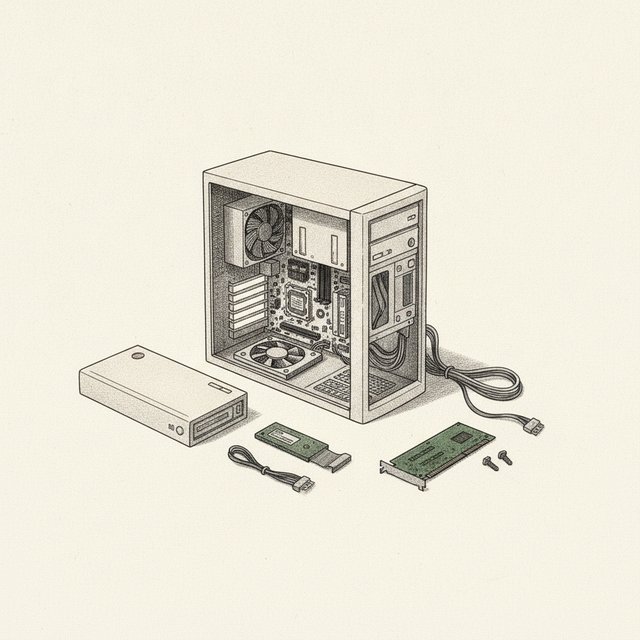
Someone taught me to build my first computer. It ran Windows 98. I don't remember the specs. I mostly used it for video games. As I got older I learned enough about computers that I started fixing other people's.
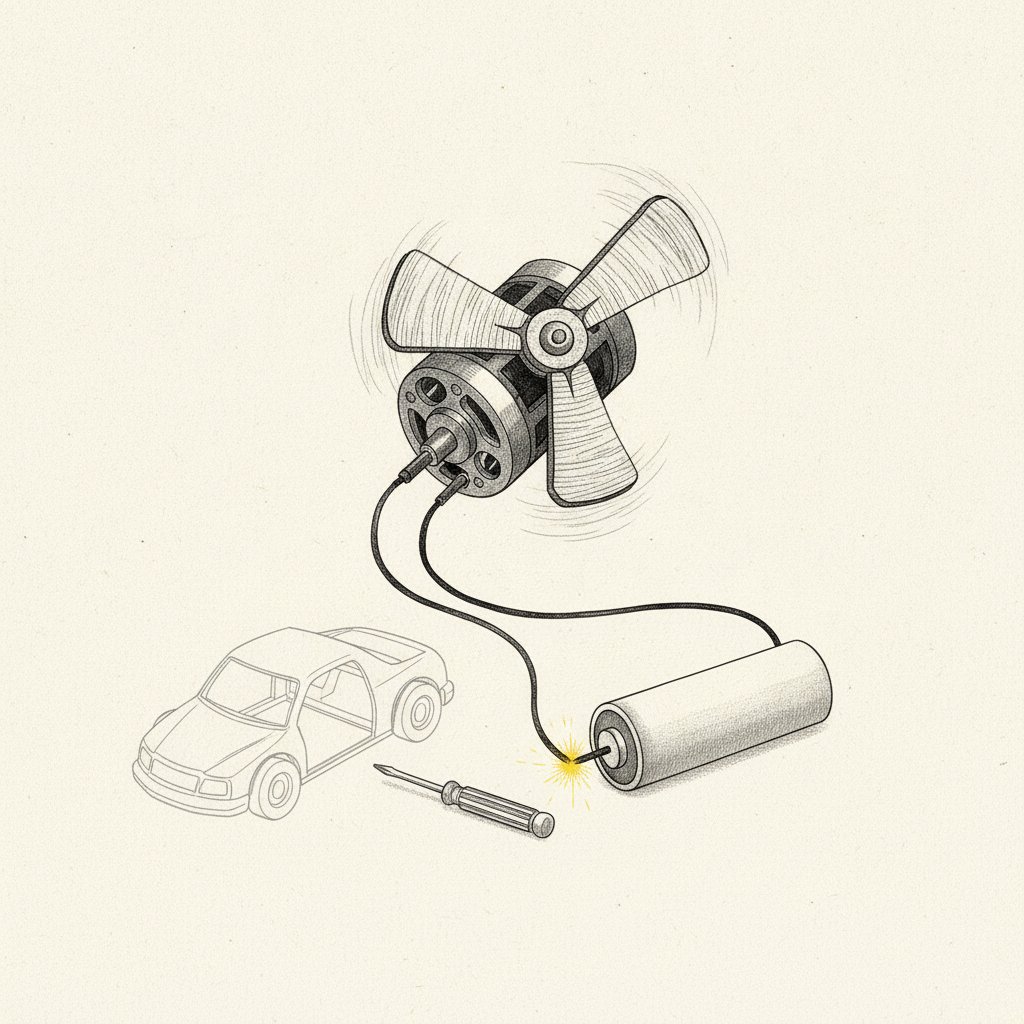
Before that, it was toys. I'd take apart old toy cars to find the little motor inside. Once I cut pieces of wood into the shape of fan blades, attached them to the motor, wired it to a battery, and had a fan. Nobody told me to do it. I just wanted to know what was inside and what else it could become.
That's the habit that has driven everything since: take it apart and see how it's made.
Trying to build software like Microsoft
Around 2011 I wanted to make software the way Microsoft did. I was playing a lot of Halo 2 and I was a moderator in an old mIRC community that let people play system link with friends over the internet.
A friend and I decided to build our own client. Honestly, he had the brains. I was doing basic programming in Visual Basic. We got a chat client working, and that was as far as it went. But I learned that software isn't magic. It's pieces, and you can build pieces.
Then Bitcoin showed up, and I tried mining it on my old Windows 7 PC. I still have some of the old chat messages with my friend. The account is gone, so only my side survives. Things like *"just waiting for this 100,000 blocks to finish lol."* We were swapping links from bitcointalk.org and figuring out, with zero guidance, which downloads were safe and which were malicious. That was its own lesson.
Thinking above and beyond
Justin.tv was big then too. I started building something in Unity where you could watch live Justin.tv streams *inside* a game. We used to watch South Park, so I built the town of South Park, where you could walk around and watch the live stream on screens in the world.
I'm not sure it fully worked at the time. But the idea was ahead of what I knew how to do, and that's fine. Ideas should be ahead of your skills. That gap is what pulls you forward.
That's when I got heavily into game design.
A game where patients fight back
In Unity 3 I made a game about brain cancer that let patients fight back against their illness. I entered it into an NAACP competition and took third place. First place went to a guy who remade Mario. There was no second place.
I'm not hating, trust me. It didn't discourage me. If anything it taught me that an original idea with meaning behind it is worth building, even if a polished remake wins the trophy that day.
"They're showing off"
When I look at anything, a film, a game, a codebase, I check whether it follows the basic rules. If it breaks the rules and *still* works or looks good, that's when I dive deeper.
Take Moana, or most Disney films. They create things the average viewer doesn't notice or care about. But I know what it takes to build dynamic fluid simulations and shaders, how long it takes and how hard it is. So while I'm watching, I catch myself saying: "They're showing off." And they are. They're building leading VFX technology other studios aren't doing.
I feel the same way about code and game dev. When I see something impressive, my first thought is: *how did they make this?* Then I research it and try to recreate it. That's how I learn.
Learning by wiring things together
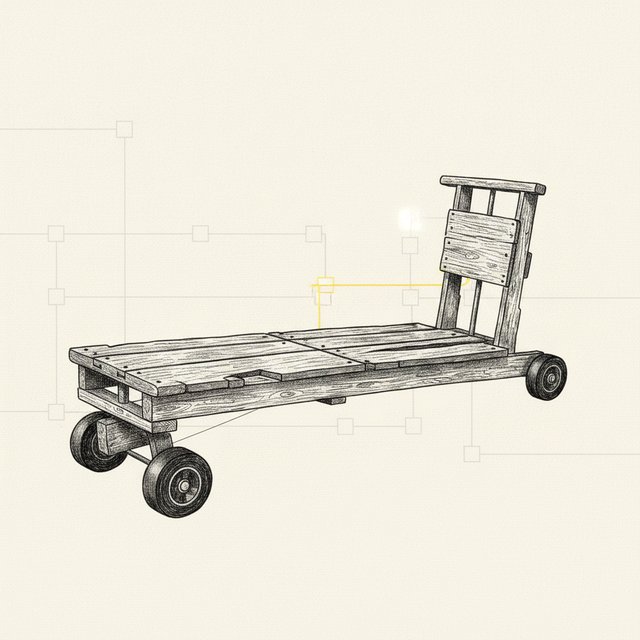
I get stuck so often that most of those moments blur together. One I do remember: building the blueprint system for a Jamaican handcart in Unreal. There was no tutorial for a handcart. So I studied the blueprints from a go-kart system, figured out what each part did, and rewired it to make my handcart work. When it finally drove, it was really exciting.
That's taking things apart again. Just with software instead of toy cars.
What school won't teach you
Some things you won't learn in school. They only come from experience.
The biggest one for me is coming up with original ideas, things that don't exist yet. No class gave me that. I had to look inside myself and ask: *what story do I want to tell? What am I passionate about?*
What I tell everyone I teach
Rules are important. Write your ideas down before you execute anything. Writing is always the hardest part. Follow the rules until you understand them. Then break them to make new rules.
Start simple. The most common beginner mistake I see is not starting simple. If you can't make Pac-Man or Snake, don't try to make Rocket League.
Study history. What every creator did before you matters. If Muybridge hadn't photographed motion, someone else eventually would have. But we still study Muybridge. You can't break rules you never learned.
Design is in nature
Design is the base principle of everything I do, design, motion, 3D, code, games, and they all feed each other. Design is in nature, so why wouldn't we use it when we recreate nature?
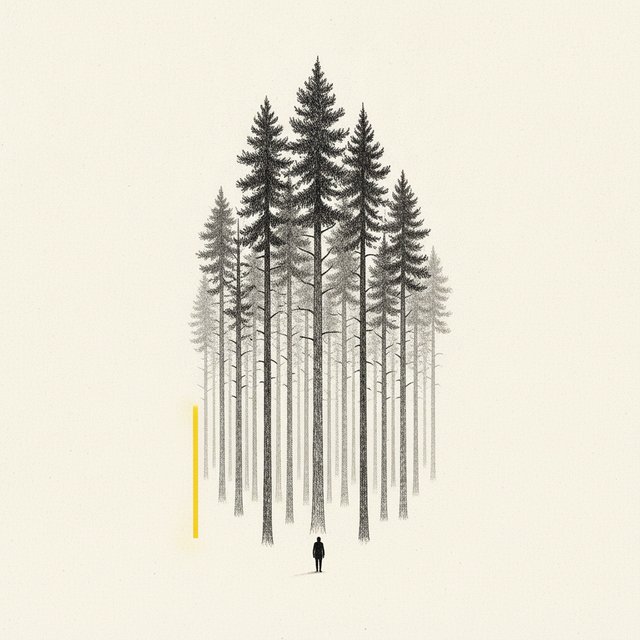
If you make an FPS and the pine trees are shorter than the player, then send them into the forest, they won't believe it's a forest. Scale, proportion, how things grow: that's design, and it decides whether a world feels real. I could talk about this for days.
Open source is king
GitHub has been number one for me. So have all the free, open-source tools I've used over the years. And so has the random forum reply from a person I'll never meet, who solved a problem for thousands of people.
I learned most of what I know for free. That's a debt, and the way to pay it is to share.
What we lose if we stop taking things apart
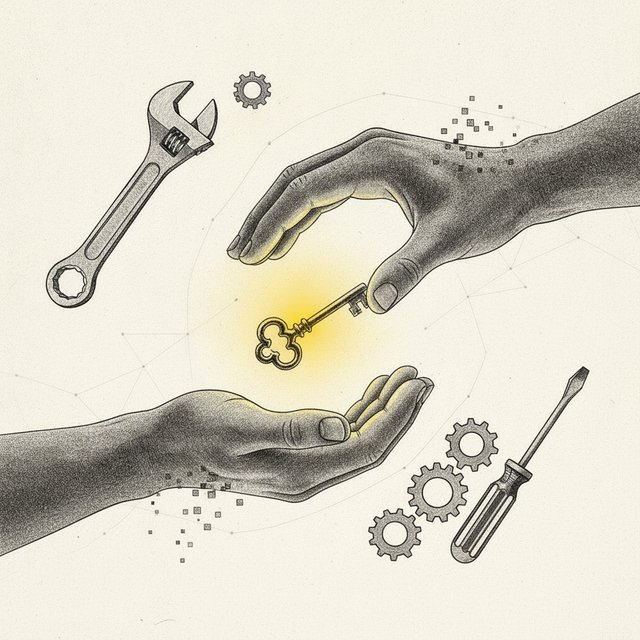
AI makes everything easy and fast. When things are easy and fast for humans, we don't have to use our brains. We're smart *because* we use our brains. If we stop, we lose the thing that made us able to build AI in the first place.
Just one guy
I'm young, but I feel old. I'm an advocate for education and for helping people whose voices aren't being heard. That's my whole motto.
I'm just one guy trying to help make the world a better place. I'm going to start sharing what I know, for free, and I hope it helps someone who needs it, or sparks an idea.
Open source is king.